


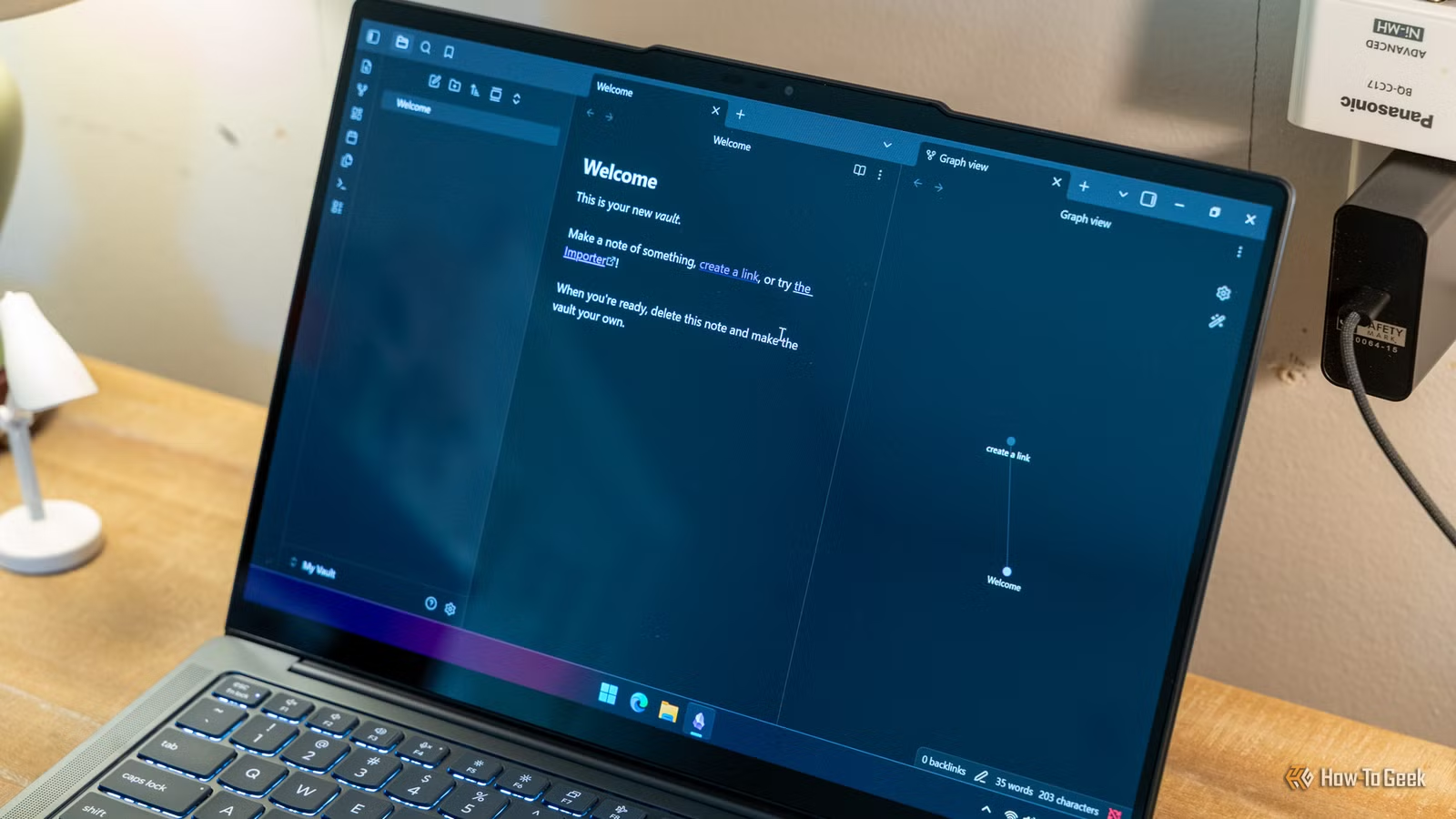
Having a second brain is awesome. I’ve been using Obsidian a lot lately for just that. I built a knowledge base without even touching the Obsidian editor. Instead, I use photos and the Obsidian web clipper plug-in to store information. But I’ve started expanding my process a bit and came up with a few more ways to keep building that knowledge base using different techniques.
Plugins are essential to building a knowledge base
But you should learn the basics first
Before I ever installed a single plug-in, I learned how to use Obsidian without them. Like many other fans of the software, I believe in going that route before messing around with plugins or add-ons.
But once you’ve had a chance to learn the ins and outs of Obsidian (and are pretty comfortable with Markdown), plugins unlock more potential, especially with a knowledge vault.
I start with a few Core Plugins. On mobile, I installed Word Count (desktop already shows the word count) first. I also enabled Bases, Search, and Canvas. I encourage you to go down the list and decide which ones are right for you. Then there are community plugins you can use for various tasks, automation, and organization.
As always, use community plugins at your own risk. They’re made by users and are not typically reviewed by Obsidian itself. That doesn’t mean they’re malicious or bad, but you should always do some research on what you’re installing before you add it to Obsidian.
Importing old documents with Importer
Adding pre-existing information to your knowledge base
I’ve been writing and researching for a very long time. I’m also a digital hoarder, so I have documents going back a long way. They’re in different formats and were written in Notepad, Office 97, OpenOffice, Evernote, and many other apps over the years.
Song lyrics saved in Microsoft OneNote from the early 2010s? Check. Old RPG notes and story ideas from Evernote? Yeah, I saved those (hey, you never know when you’ll need them). The HTML files from a website I built back in 2009? I have those too.
And now they’re in my knowledge base, too. I can apply the same technique to any documents I create now. For example, I can make a note in Google Keep right now and import it into my knowledge base. I exported my existing Google Keep files as a zip file via Google Takeout and then used Importer to bring them into Obsidian. It worked without issue.
Did I mention it can also import Markdown files? So if you use other apps like Joplin or JotterPad (like I do), you can import your Markdown files into your vault.
Related
Your Obsidian setup isn’t complete without these 4 essentials plugins
Sync your notes for free and more.
I often use audio to capture ideas and moments
Obsidian has a plugin for that, too
While I love writing notes by hand, I have found voice memos to be quite useful over the years. They can be especially helpful after a meeting or to record snippets of melodies or song ideas. Obsidian even has a built-in voice recorder.
This is especially handy when I’m reading a novel and want to quickly jot down some thoughts about characters, themes, or theories about where the story is going (for fiction) or take notes about concepts (for nonfiction).
You’ll find it under Settings -> Core Plugins -> Audio Recorder.
It’s a quick way to build knowledge and take notes without ever touching the editor itself.
Reading and storing PDFs
Using the power of the PDF
Throughout my research, I’ll use a lot of different formats. If I want to read and annotate something, I can print as PDF, or I can open an existing PDF on my device and add it to my Obsidian Vault.
On the desktop app, all you have to do is drag the PDF you want into your vault. On mobile, you can add it by touching the paper clip icon in any of your notes.
In this example, I imported some sheet music for a Doc Watson song that I bought a little while ago. The process should work with any PDF, though. I typically add articles, sheet music, diagrams, and scans as I build up the vault.
Related
3 self-hosted Obsidian alternatives that don’t force you to sync notes in the cloud
Markdown is my go-to language for writing drafts, but I was tired of paying for sync. I found refuge in self-hosting.
With just a few simple tools, you can start building an Obsidian knowledge base easily
The best thing about building the knowledge base in Obsidian is the variety of ways you can save/store/retrieve information. While my methods work extremely well for me, others may find alternative options that work better. For me, Obsidian is ideal for learning, researching, collecting info, and just staying organized. I look forward to finding even more ways to work on my knowledge base as it continues to expand.