


Janusz Lukomski-prajzner/Getty Images
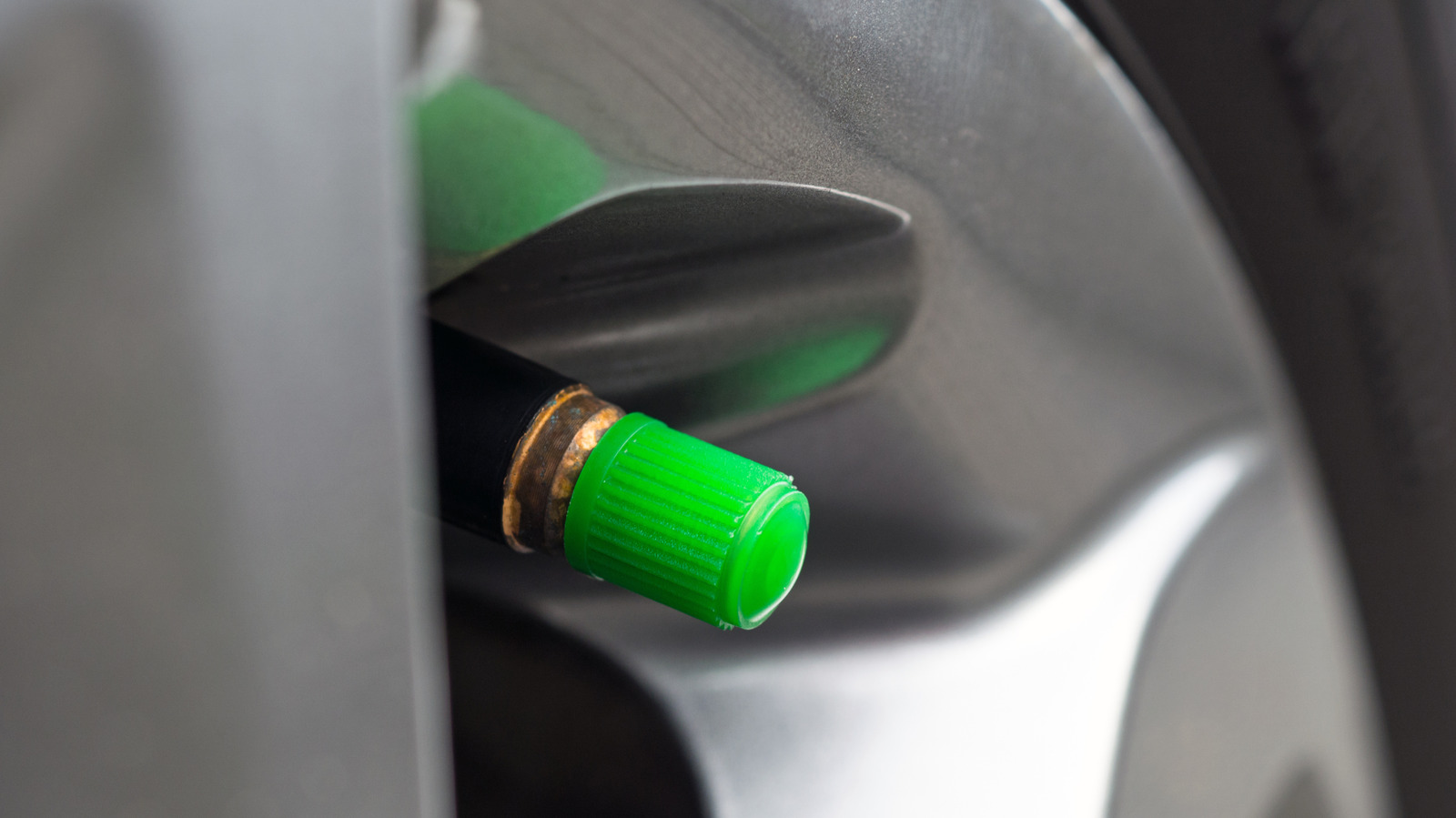
You may not know much about nitrogen. It has no odor or color and is not flammable. It’s also everywhere, making up around the majority of the air you’re breathing as you read this. But did you know you can use it to fill your tires? It’s simple: Instead of using the compressed air machine at your local gas station, you can visit an auto service center or even a wholesale club like Costco for a self-service station. The first time you add nitrogen, your tire must be emptied of all its air first, but then you can reap the rewards.
If you’re new to nitrogen tire inflation, you may wonder what those benefits are and if they’re worth the cost. Or you might remember from high school science that dry air is already mostly nitrogen – about 78 percent, to be precise. The difference is pure nitrogen does not have some of the impurities found in compressed air. Nitrogen-filled tires lose air less quickly and can keep your tire pressure more consistent. A Consumer Reports study, however, found that the reduction in pressure loss using nitrogen is minimal, and the benefits may not outweigh the downsides for the average consumer. Here are three drawbacks to using nitrogen-filled tires that may convince you to stick with regular old air.
Cost and availability
Jiujiuer/Shutterstock
It’s fairly simple to top off your vehicle’s tires with regular compressed air. Many gas stations offer air machines. You’ll often pay a few dollars, but some gas stations offer the service for free, and you can even find a crowdsourced list of stations near you by using a site like FreeAirPump.
If you opt for nitrogen, don’t expect the same convenience. The first time you have your tires filled, expect to pay around $30 per tire, because the air will have to be removed first. Then, it will cost about $5 to $10 per tire every time you need to top off. Some installers will include nitrogen for free when you buy new tires, but car dealerships typically charge for nitrogen-filled tires when you buy a new car, sometimes up to several hundred dollars. Even if the first fill-up is free, you’ll still pay for refills every few months.
When your tire pressure gets low, don’t expect to stop by your local gas station for a refill. Nitrogen is often not available at standard stations, though some Costco locations have free nitrogen tire filling stations. If you’re not a Costco member, you may have to visit a tire service center or your car dealership for a top-off.
Minimal benefits for most drivers
Adventtr/Getty Images
There are several reasons why some drivers fill their tires with nitrogen rather than simple compressed air, but the biggest incentive is often cost savings. While nitrogen costs more upfront, in theory the gas should boost fuel efficiency and reduce pressure loss. For the majority of drivers that are simply commuting to work and school or running to Target, however, these benefits are minimal and likely won’t affect your wallet.
Several factors can affect fuel economy, including the weather and your driving style, but rolling resistance and tire performance have a big impact. Testing by Consumer Reports and the National Highway Traffic Safety Administration (NHTSA) found that replacing air with nitrogen had very little or no effect on a tire’s rolling resistance, and thus has little impact on fuel economy. Maintaining the proper tire pressure in all four tires is much more important. That being said, the NHTSA did find that nitrogen is better at maintaining consistent tire pressure, so you may find yourself filling up your tires less frequently.
To test air loss, Consumer Reports conducted a year-long study with 31 tire models filled with both air and nitrogen. It found that both eventually lost pressure, as expected, but the difference in loss was minimal. On average, air-filled tires lost 3.5 psi over the course of a year while nitrogen tires lost 2.2 psi across the same period.
Degradation is about the same
Oleksandr Sadovenko/Getty Images
When you fill your tires with compressed air, that air is mostly made up of nitrogen and oxygen, including some water vapor. That oxygen and water vapor can contribute to tire degradation. Some drivers use pure nitrogen instead on the premise that the dryer gas will limit that degradation, but the truth is that your tire tread will likely wear out long before your tires degrade on the inside. Damage from oxidation, or the potential for tires to become brittle when exposed to oxygen, also takes an extended length, and is not a concern for the average driver.
If you’re concerned about your wheel rusting due to the moisture associated with compressed air, modern wheels are made from alloys and treated to prevent rust and other damage. If you do notice any rust or corrosion, it’s likely from another source. Ultimately, Consumer Reports found that the life of a typical tire is determined by wear from use and age. Your tires were designed to be filled with air, not nitrogen. If you fill them with compressed air and maintain them properly, you should get many years of life from a typical set of tires. Check the tire pressure every few months, keep your tires properly inflated to prevent dry rot, and regularly rotate them so that they wear evenly. Alignment is also important, especially if you’ve recently hit a curb or a deep pothole. Finally, keep an eye on the tread depth and watch for wear indicators.