


Plug-in solar might finally be here (minus battery support, which seems likely to come next year), but the bigger question is probably: do you even need the solar panels in the first place?
If we look at plug-in solar in the UK, the idea is simple: self-installation, with support for inverters that provide up to 800W of power. That’s fairly small by modern home standards, and not even enough to boil a kettle. Sure, any free power is good, but with the plug-in variety, we’re talking about a minimal difference.
Then there’s installation. Have solar professionally installed, and the installer uses proper design software to work out the panels’ position and how much energy they’re likely to generate over a year, so you can make the right choice.
With self-installation, you don’t get that, and sub-optimal placement will affect how much power you generate. You might not even live in the best position for solar: an east-facing balcony, for example, will only get sun in the morning.
There’s also the practical side of fitting solar panels yourself: they need to be secured against the elements (particularly wind), and they should ideally be installed with isolators, so that you can cut the power coming from the panels if maintenance is required.
Advertisement
That’s not to say that plug-in solar doesn’t have its benefits, but if you really want to save money on your electricity bills, would a battery alone be a better choice?
Charge off-peak
The idea with a battery is simple: you charge it when electricity is cheap, and use that stored power when electricity is expensive.
Here’s how it works in practice. Take the Octopus Go EV tariff: there’s cheap electricity between 12:30am and 5:30am (9.5p per kWh), with electricity costing 36.9p per kWh at other times. The current price cap is 26.32p per kWh at all times.
Based on simple maths, electricity you store is 16.82p per kWh cheaper than the price-cap rate. Provided your battery is big enough to store the energy you’re likely to use during the day, you make a big saving.
But it’s not quite that simple. Batteries degrade over their lifetime, with capacity slowly reducing with each charge cycle (a full charge and then discharge). Typically, manufacturers quote how many charge cycles it takes until a battery is at 80% of its original capacity. A battery may last beyond that point, continuing to lose capacity, but this is still a useful metric.
Work out how much electricity a battery can store over its quoted number of charge cycles, divide the cost of the battery by that figure, and you get how much it costs you to store each kWh of power.
Advertisement
The good news is that battery prices are coming down and the number of charge cycles has gone up, and batteries have the life quoted to a lower storage percentage. In the old days, 3000 charge cycles was about average, but we’re now often seeing batteries that support 6,000 or even 10,000 charge cycles.
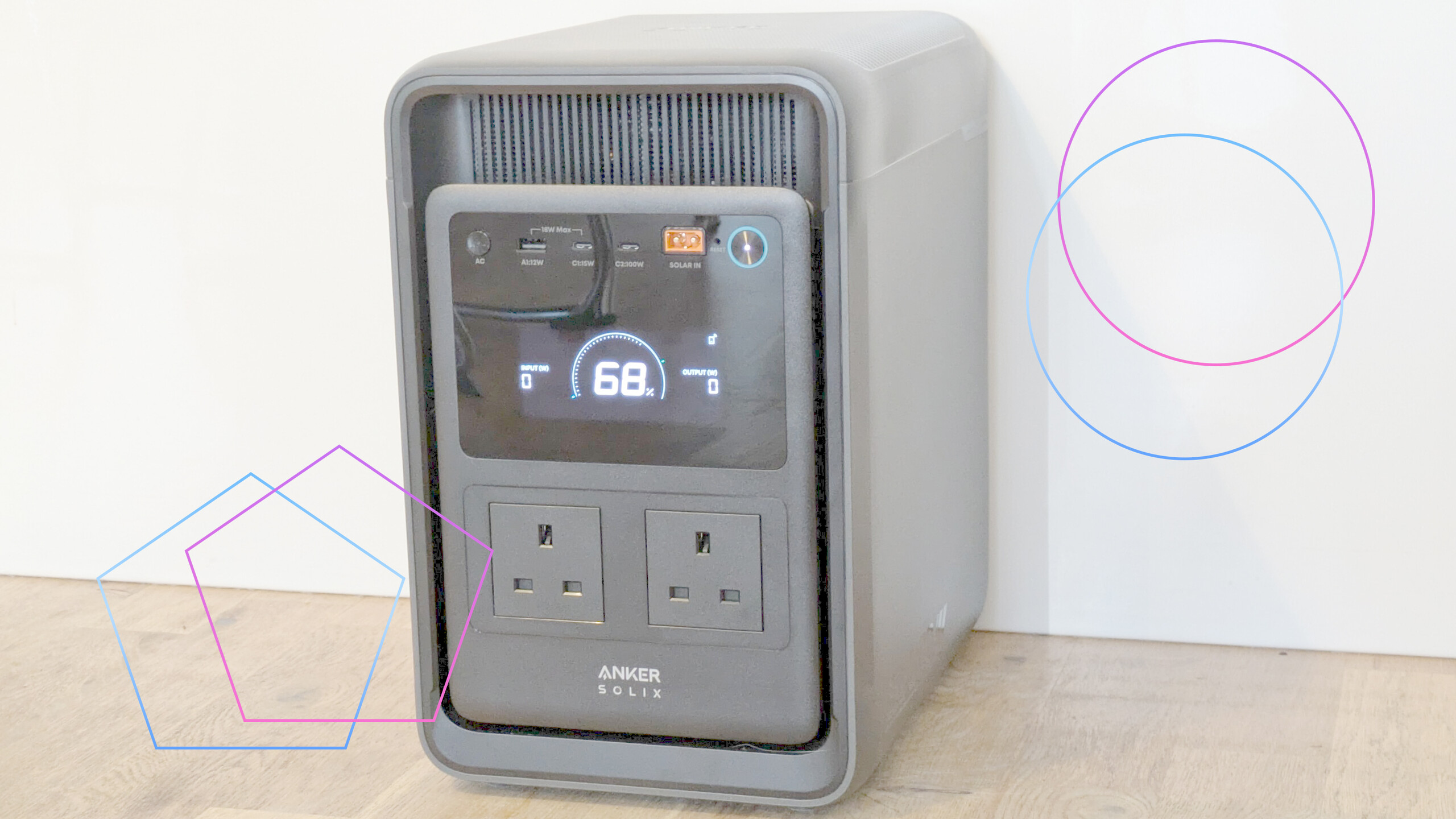
The Anker SOLIX S2000, for example, costs £849 (at launch) for 2kWh of storage and is rated for 10,000 charge cycles down to 60%. That works out at around 5p per kWh. Add the off-peak charging cost (9.5p) and you get a total cost of 14.5p per kWh, which is still much cheaper than regular electricity.
If the S2000 only handled 3000 charge cycles, the cost per kWh would be 18p. Add the 9.5p for off-peak power and that’s 27.5p: slightly more than the current price cap.
Of course, the cost of electricity fluctuates and is set to go up again soon, but it’s worth doing the maths before buying a battery, and choosing a longer-lasting battery to bring the cost down. I think we’re now at the point where batteries make sense.
My example is of a recent portable power station, but similar specs and pricing applies to large home batteries, too.
Not just storage, but power
There’s a bit more to think about. You need enough storage to get you through the peak period (your electricity bill will help you work this out), but you also need a battery that can connect to your mains and provide enough power to be useful.
Advertisement
With an 800W limit, you can cover your home’s background use and some extras, such as TVs running in multiple rooms. Switch on the washing machine, fire up the oven or use the kettle, and you’ll have to buy power from the grid.
Get a battery with a higher-rated output, properly connected to your mains by a professional installer, and things change. With a 2,500W output, a battery can handle a washing machine, a lower-power kettle or even basic oven use. It’s best to use one high-power device at a time to avoid pulling energy from the grid, but you’ll still see a saving.
Go for a higher power output still, and a battery system can run pretty much everything, giving you a bigger saving.
Unlike solar, batteries don’t care about the weather: you top them up when power is cheap and drain them when it’s expensive, so you see those savings every day. For a lot of households, then, a properly installed and managed battery system makes more sense than solar, and it will work in pretty much any property.
Solar is still important
Solar works with battery systems, so if you’ve got the right type of house for panels, it’s an added benefit: on sunny days, you get free power for your home or to charge your battery, for a bigger cumulative saving.
Before you buy plug-in solar, it’s well worth looking at home battery systems and getting a proper quote to see how much they could save you. With modern technology and longer-lasting batteries, you could be surprised.
Advertisement