


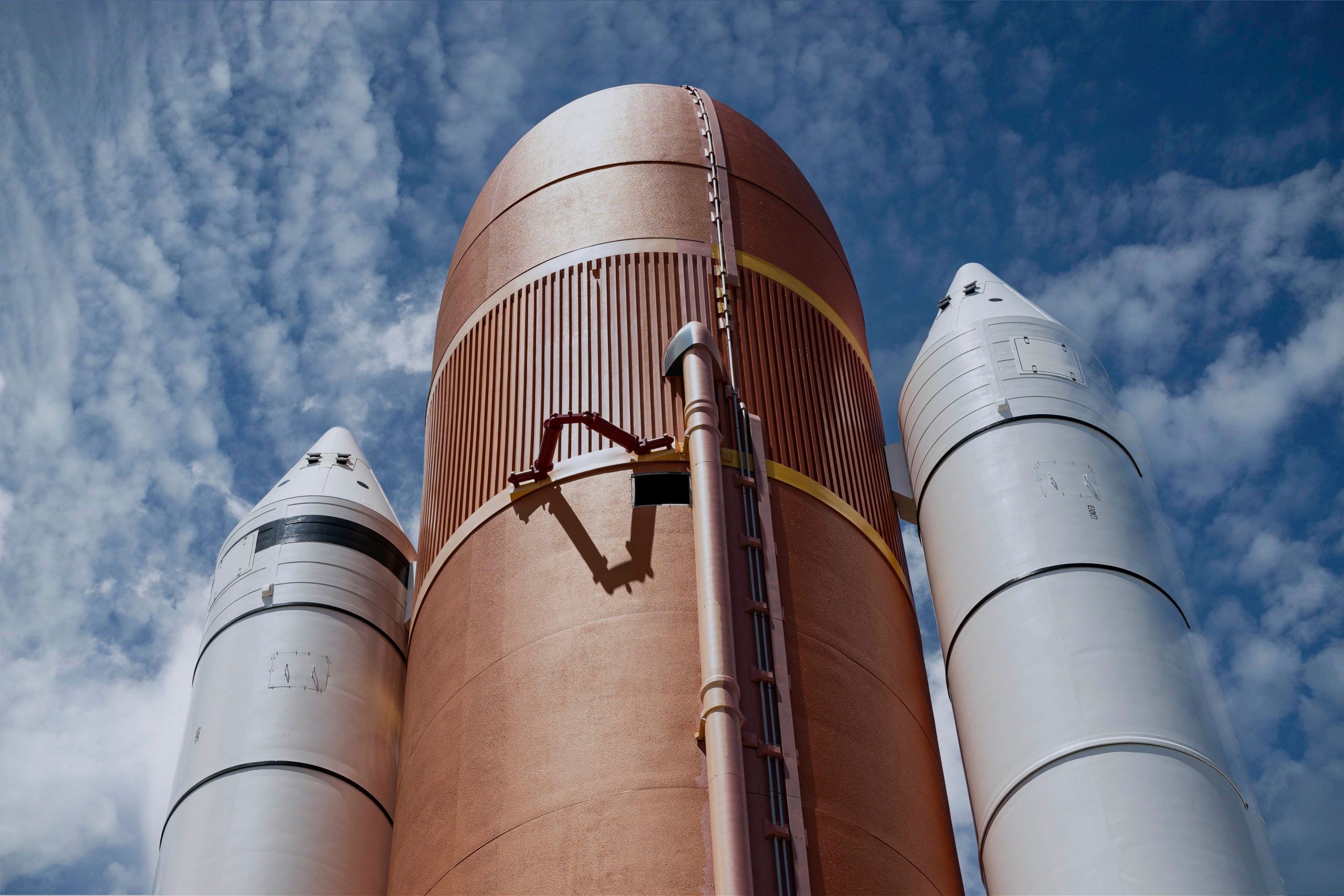
NASA has finally opened its newest state-of-the-art wind tunnel within the Flight Dynamics Research Facility at the Langley Research Center in Hampton, Virginia. The 25,000-square-foot installation is essentially the agency’s first major wind tunnel facility to have been built in more than four decades, and will provide a critical testing ground for military aircraft, commercial drones, space capsules, and planetary entry vehicles.
The facility was constructed in partnership with the U.S. General Services Administration under Langley’s 20-year campus revitalization plan, and consolidates and modernizes the capabilities of the historic 20-Foot Vertical Spin Tunnel and the 12-Foot Low-Speed Tunnel.
With that said, the operational scope of the facility covers both aeronautics and deep-space exploration, and will play a central role in NASA’s Artemis lunar campaign and future interplanetary missions, including the development of aerodynamic design of probes bound for Mars and other atmospheric bodies. Dr. Trina Dyal, NASA Langley center director comments:
The opening of the Flight Dynamics Research Facility represents a significant advancement for NASA and for the nation… By bringing modernized testing capabilities under one roof, we are enabling transformative research that will ensure the United States remains at the forefront of aeronautics and exploration.
Photo credit: NASA/Keegan Barber
Powered by four 750-horsepower motors driving custom 14-foot carbon-fiber fan blades, the system can reach a top airspeed of 117 miles per hour. This doubles the speed limit of older facilities and allows researchers to adjust wind speeds during live free-flight maneuvres, for example. Engineers will also be able to use the facility to evaluate entry, descent, and landing vehicle profiles, minimizing crew risk during Earth return trajectories, for example.
The new facility also replaces aging infrastructure, allowing for lower maintenance costs in addition to equipping researchers with new capabilities for both free-flight and mounted scale-model testing.