


I’ve worn an Oura ring on my pointer finger for nearly two years, checking the app every day to see my readiness, sleep and activity scores along with my cardiovascular age and other health metrics it tracks. So when I heard Apple announce a readiness score and other similar features during its “Surprise and Shine” event on Wednesday, I was intrigued.
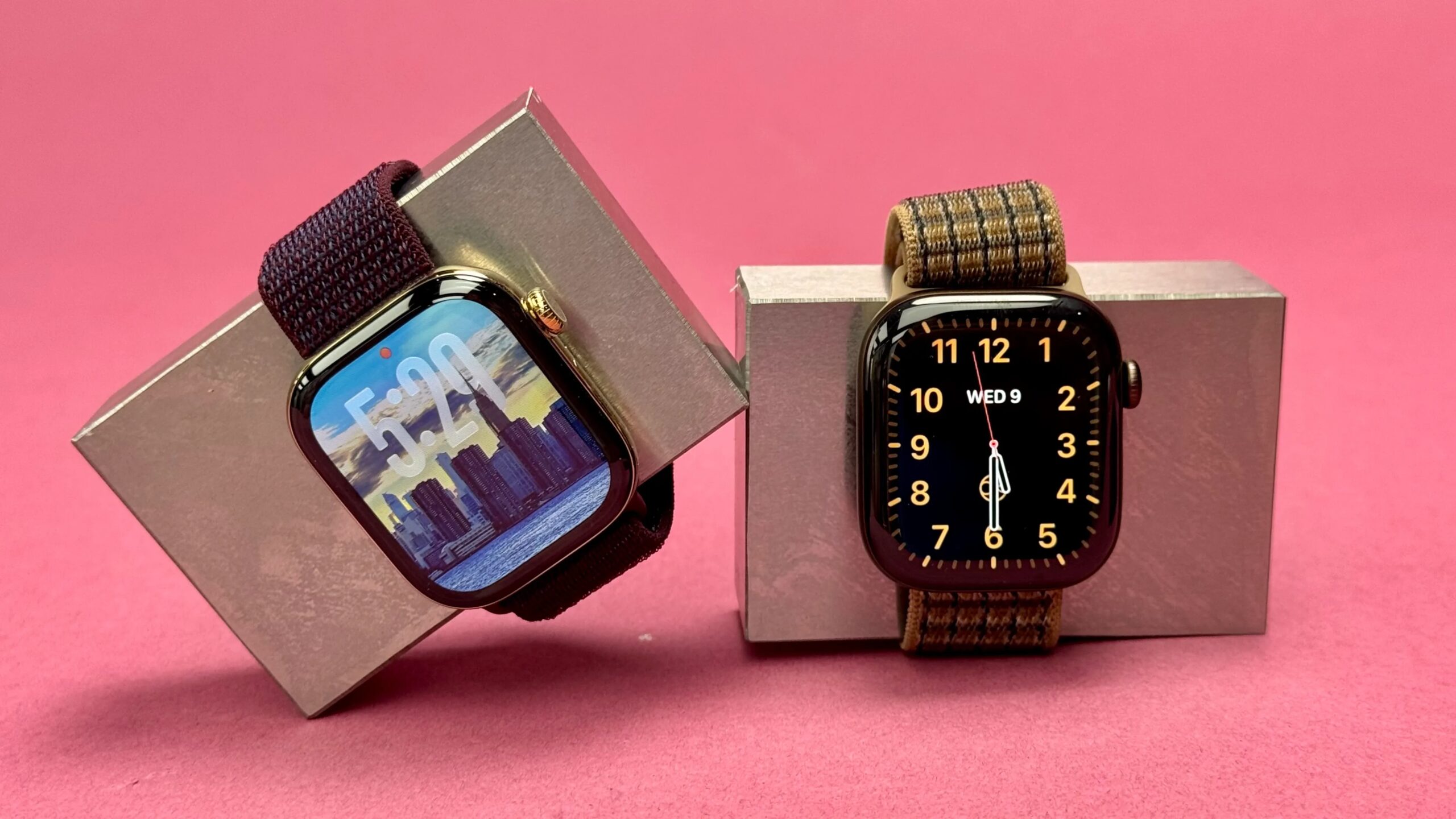
On the upcoming Apple Watch Series 12 and Ultra 4, a readiness score will be offered for the first time. The score is on a scale of 0 to 10 and is calculated based on health metrics, such as your sleep and activity. It can also update throughout the day to advise you on whether to push yourself or rest.
Apple wants you to design your day around your readiness score.Apple/Screenshot by CNET
By comparison, Oura’s readiness score is measured from 0 to 100. While your overall readiness score can change during the day, particularly if you take a nap, it doesn’t happen often in my experience. But, most notably, readiness has been a part of Oura’s philosophy since the first ring was launched on Kickstarter in 2015. The original Oura was much chunkier than what it has since become, but readiness has remained central to the brand. That’s why I see “readiness score” as synonymous with Oura, despite other brands offering similar concepts in the years since.
Apple also announced updates to its heart-rate variability tracking and an updated pedometer, which Apple promises will make it the most accurate step-tracking wearable.
Health Age was additionally introduced, which immediately reminded me of Oura’s cardiovascular age, another favorite feature of mine that uses cardiovascular data from your ring to estimate how your heart is aging compared to your biological age. Apple says that Health Age will use your VO2 max, HRV and sleep to determine your score.
Apple will compare your “health age” to your actual age.Apple
Although I’m wary that Apple’s readiness score or health age will rival Oura’s similar metrics, I do think it can easily surpass them when it comes to one specific area: activity.
Read more: Apple’s Redesigned Health App Brings a Slew of New Features
Where Apple could have an advantage over Oura
I love my Oura Ring, but I’d be lying if I said I didn’t have any annoyances with it, particularly with activity tracking. When I go for a walk, it thinks I’m hiking; when I play tennis, it thinks I played volleyball; and when I do pilates, it tracks no activity at all. Apparently, I should be working harder during those classes.
Luckily for me, though, I didn’t get my Oura Ring to be an activity tracker. That said, if the Apple Watch Series 12 and Ultra 4 can provide accurate activity tracking along with nearly everything the Oura Ring offers, I wouldn’t be surprised if some Oura users considered making the switch.
The new watches will also let you create custom workouts based on your scores, and Apple Intelligence, an AI-powered feature, that can use your health scores to help create daily routines.
Then there’s the matter of a subscription.
The Apple Watch Series 12 starts at $399 and the Apple Watch Ultra at $799, and you don’t need a subscription to access your health metrics. However, a subscription to Apple Fitness Plus is required to access guided workouts from personal trainers.
The Oura Ring 4 starts at $349 and the Oura Ring 5 at $399. But a subscription, at $6 per month or $70 per year, is required to access every feature.
Although no one likes paying a subscription, there’s still one thing that keeps me a staunch supporter of the Oura Ring: the fact that it’s a ring.
Where Oura still wins in my book
The Oura Ring 5 is one of the few pieces of tech I own that could genuinely pass as jewelry.
Vanessa Hand Orellana/CNET
As someone who can’t even wear a pair of earrings while I sleep, I will never have the desire to wear a chunky watch around my wrist when I go to bed. So, although Apple is rapidly advancing its health features, if I’m not wearing it while I sleep, nearly every health metric it tracks would be missing an important factor.
Another issue is that although the Apple Watch battery life is improving with the Series 12 and Ultra 4, it’s still well under what Oura offers.
Apple says the Series 12 battery life lasts up to 24 hours with normal use, while the Ultra 4 will last up to 50 hours. The Oura Ring 4, on the other hand, lasts from five to eight days, while the Oura Ring 5 lasts six to nine days.
So, although Apple can replicate what Oura and other wearable devices do, it doesn’t mean there isn’t a place for Oura in the market. To me, that place is still at the top.
Corin Cesaric-Epple
See full bio