


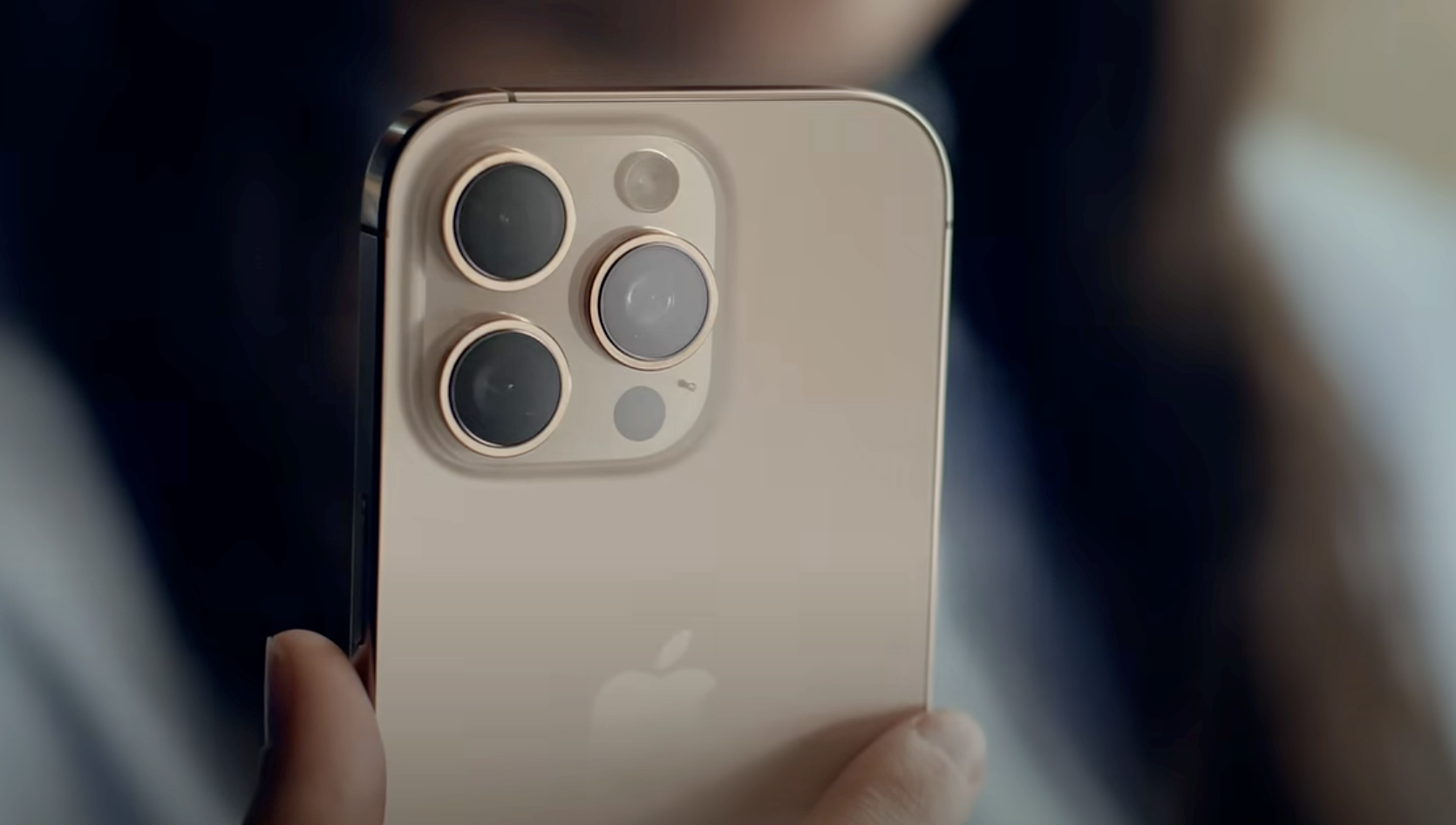
Aside from its new iPhone lineup, one of the more interesting announcements from Apple this week was the launch of its new “iPhone Handoff” feature, which lets users share a single phone number across two devices running iOS 27 or later. Once enabled, calls, voicemails, messages, and Find My locations automatically route to whichever iPhone is currently in use, and we have to admit that it’s a rather interesting feature to have especially for folks who own more than one main device.
That said, there are some prerequisites however—for one, both devices must be connected to Wi-Fi, share the same Apple Account, use Messages in iCloud, and be signed into FaceTime and iMessage with that same account. There are also select carriers which support the feature, which at the moment include T-Mobile for folks in the USA and Telekom in Germany.
During setup, one device will be designated as the primary iPhone while the other acts as the secondary phone; primary devices will then handle carrier-specific services like Caller ID and Call Forwarding. Setup can be completed either during a new device configuration or later through the Settings app by selecting cellular options and following the cross-device prompts.
When switching between devices, unlocking the target iPhone activates a user’s number and displays a confirmation message at the top of the screen. Additionally, Apple Watches must remain paired to the most frequently used iPhone, as Handoff does not automatically migrate watch connections. Apple also clarifies that while Wallet payment cards and car keys sync across both devices, certain transit passes and IDs may remain restricted to a single phone.
Should a user need to replace a device, they will need to transfer eSIM to the new iPhone, though users may need to re-enroll in the service if direct carrier transfers are unsupported. Dual SIM configurations are supported provided that both lines use compatible carriers, and this will need each eSIM to be configured individually.
READ: All of Apple’s Current iPhone Models Just got $100 More Expensive
Finally, Apple says that users who want to disable the feature will have to contact their respective carrier directly, as simply deleting an eSIM does not cancel the service agreement.