


FOTOGRIN/Shutterstock
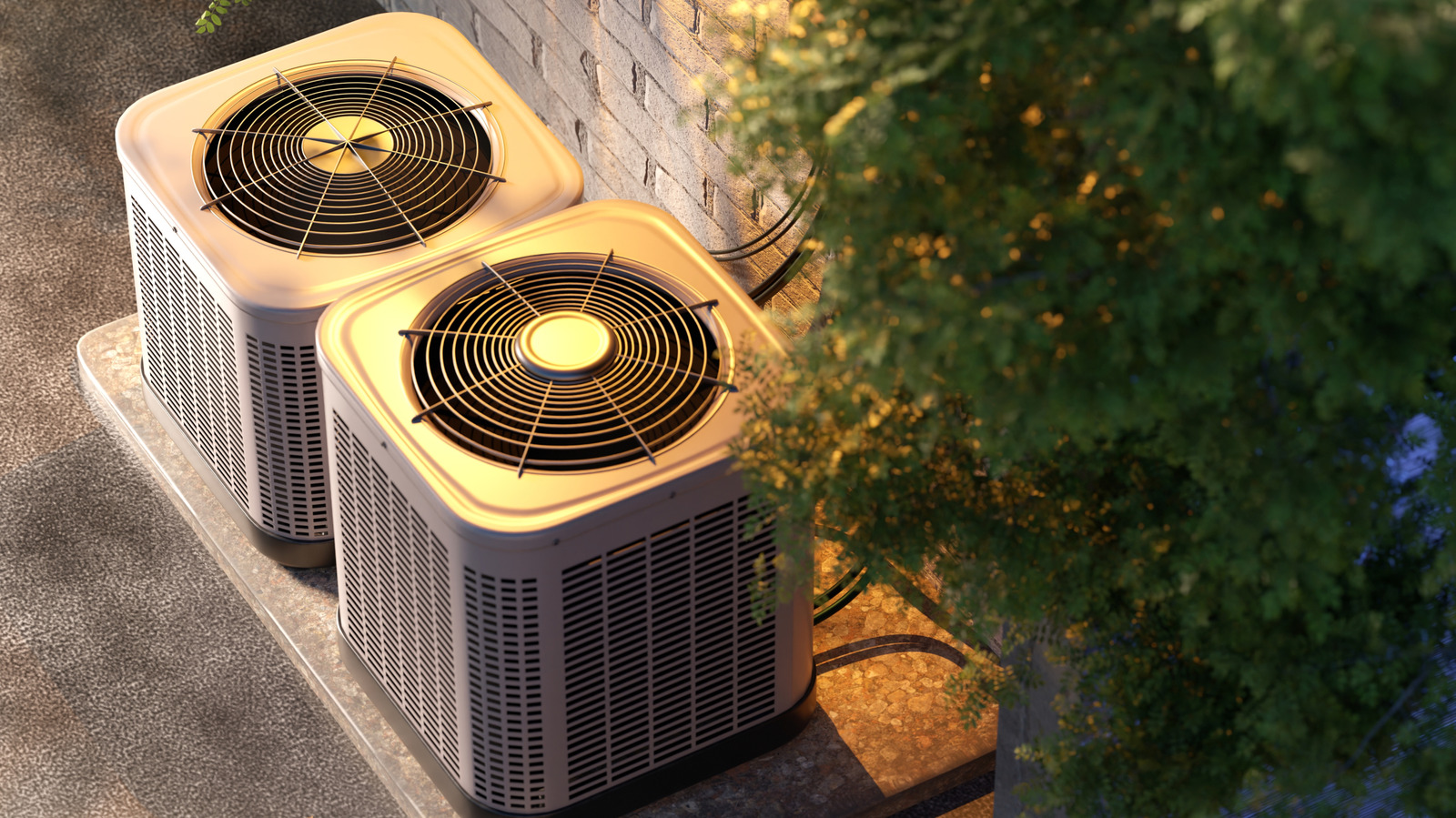
Nobody wants to have a high energy bill. Prices everywhere are continuing to rise, so a monthly bill that costs hundreds of dollars is nobody’s idea of fun. Not only that, but reducing energy consumption in order to not put as much strain on the environment is also something many of us want to achieve. Well, if you want to make an active effort to get that energy usage down, there’s one appliance that’s using up far more energy than any other in your home that you need to handle to really make a dent in those energy costs. That would be your HVAC system.
The most recent study by the U.S. Energy Information Administration on American energy usage, published in 2024, uses data from the 2020 calendar year. On average, American households consumed 76.8 million Btu of energy. 7.9 million Btu of that was for air conditioning, and 34.4 million Btu was for space heating, easily the biggest chunk. HVAC systems are designed for both of these purposes, which means they could be consuming about 55 percent of your total household energy for the year. Much of this depends on what climate you’re in and the age of your home. Colder climates require more space heating, as do older homes, but hotter climates naturally use more energy for cooling, as do homes built between 1970 and 2009.
There are numerous ways to improve your air conditioner’s efficiency. These include regularly changing your air filters, making sure your home is properly insulated, and minimizing the amount of thermostat adjustments you make. Your HVAC system is still going to be your most consuming appliance, but its consumption can be lower.
More high heating usage and the differences in heating fuels
Sodel Vladyslav/Shutterstock
As space heating takes up the biggest chunk of a household’s total energy consumption, it only makes sense that the second place finisher was also designed for heating. That would be your home’s water heater. On average, water heating consumes 14.1 million Btu per year, accounting for over 18 percent of your annual energy consumption. Unlike heating and cooling a home, water heating is far more consistent in its energy usage no matter where in the country you are. The Northeast and Pacific consume 16.1 and 16.2 million Btu per year on average, respectively. The Midwest’s annual average is a bit below that at 14.3 million Btu, while the South’s average is 12 million Btu. You see a similar consistency in the various ages of homes too.
Another major contributing factor into how much energy your home consumes for heating is what kind of fuel it uses to do that heating. Across all households in the United States in 2020, natural gas accounted for 2,928 trillion Btu of energy for space heating, while homes that used electricity accounted for only 494 trillion Btu. For the annual average, a single household consumed 46.7 million Btu for space heating on natural gas, but one that heats using electricity consumed just 11.7 million Btu. Though they’re significantly fewer in numbers, homes that are heated using propane, fuel oil, or kerosene consume the most energy for space heating on average annually. There’s a long debate about whether to use gas or electricity for your home appliances, but when it comes to how much energy they use, it’s no contest.