


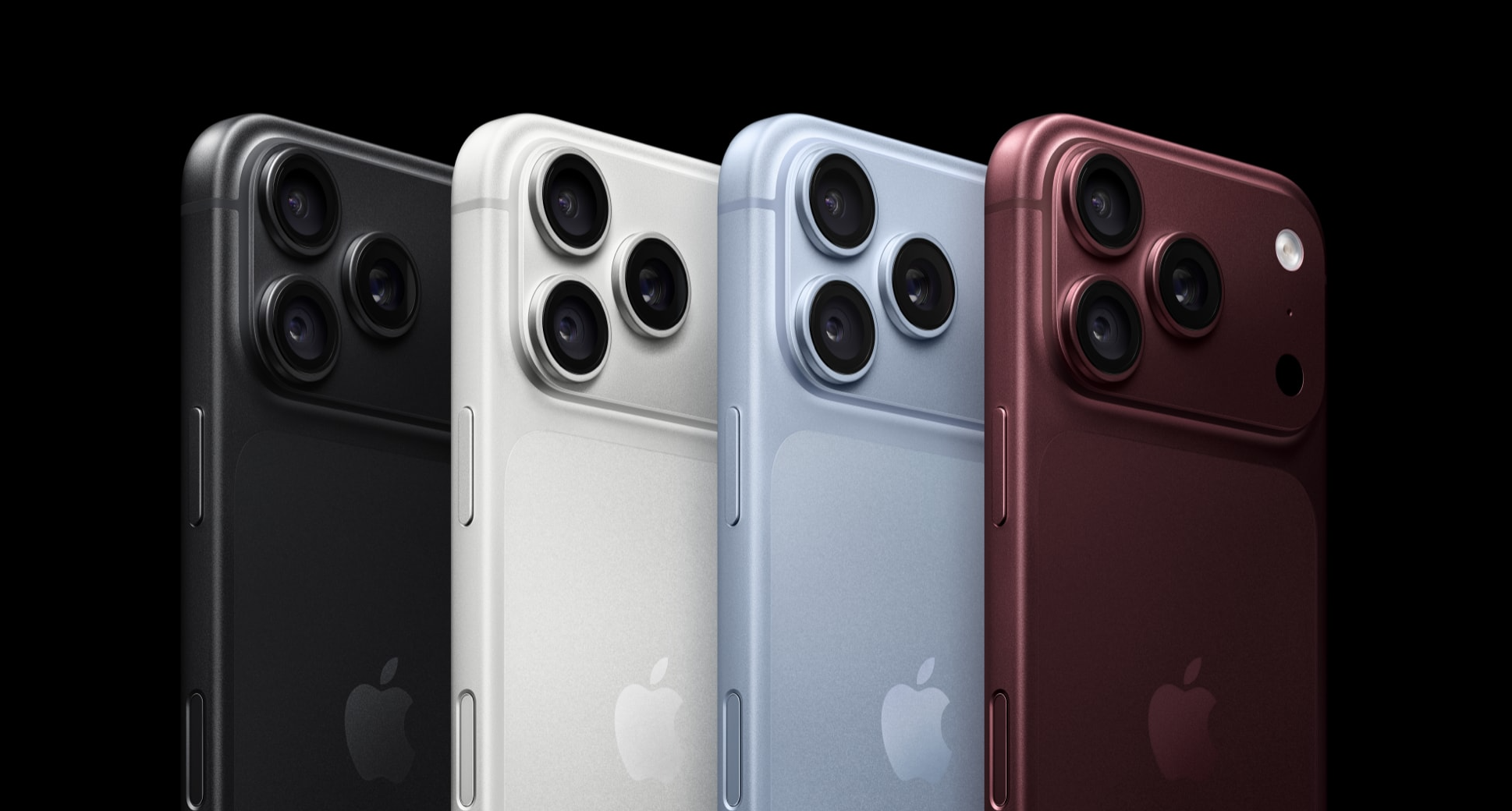
With Apple’s iPhone 18 Pro and Pro Max finally official, the Cupertino tech giant wasted no time in showing off the new phones’ camera capabilities. Apple claims that the 18 Pro series features the most advanced camera tech in an iPhone to date, with an extra emphasis on hardware-level versatility. Is that really the case though?
Let’s take a look at what’s new this time around—while the 18 Pro series features the same camera plateau at the rear, the actual important bits are on the inside. This of course includes a revamped 48MP “Fusion” Main camera, which now features a mechanical system which allows it to adjust variable aperture, either manually or automatically. The feature involves an assembly of six laser-cut blades that physically transition between distinct apertures, and adapts to changing lighting conditions and depth-of-field requirements as needed.
This isn’t exactly new technology though, as we’ve seen similar hardware from brands like Xiaomi, Huawei and even Samsung, to name a few. Nevertheless, this essentially means that you’re getting optimal exposure and focus whether you are capturing a moody low-light landscape or sharp, uniform detail across a large group of faces, at least on paper.
Users can now manually toggle between four different aperture settings natively within the Camera app, allowing for a bit more in-depth control over background blur and light gathering, something that you often see on dedicated mirrorless cameras. Apple also opened up this capability via a dedicated API, inviting third-party developers to integrate fine-tuned aperture adjustments as needed.
On the software side of things, it’s worth noting that Apple’s also made some changes with regards to how the camera hardware and app process photos. You’re now getting improved low-light performance with reduced noise in darker photos, while at the same time preserving details in an image. The Photographic Styles feature also gets support for texture and grain controls, which gives a more hands-on approach in terms of photo editing without sacrificing raw data.
Another point of interest is the addition of Apple Reference Image, which is essentially a security feature that records signed sensor data to create an unalterable digital negative, should one need to verify photo authenticity. In a day and age where AI-edited content runs rampant especially in online spaces, this does prove to be a rather useful tool to have.
Elsewhere, Apple has maintained a lot of the same camera features, such as the 48MP telephoto and 48MP ultra-wide cameras, which accompany the main sensor. This extends to the front-facing camera, which also comes with the same 18MP multi-aspect setup, allowing users to take selfies in portrait or landscape without the need to rotate their phone.
READ: Apple’s New iPhone 18 Pro Models Pack Big Camera and Performance Upgrades
With all that said though, it’s good to finally see Western brands bringing something new to the game, especially considering the kind of hardware and software advancements that we’ve seen from Chinese smartphone manufacturers, at least when it comes to mobile photography. Of course at this point in time it’s too early to tell how Apple’s new flagship camera system will fare especially beyond controlled testing scenarios, but so far things are looking good.